With the arrival of the new 2026 Amazon Fire TV Stick 4K, much of the recent press coverage has focused on the switch from the Android-based Fire OS to Amazon's new Linux-based Vega OS.
I must admit, I was equally keen to understand whether the new stick would feel substantially different from my previous 2024 model. In truth, both feel snappy and responsive. The updated Fire TV interface makes using either device more enjoyable, and provided the apps you use are available on Vega OS, the change shouldn't present much of an issue.
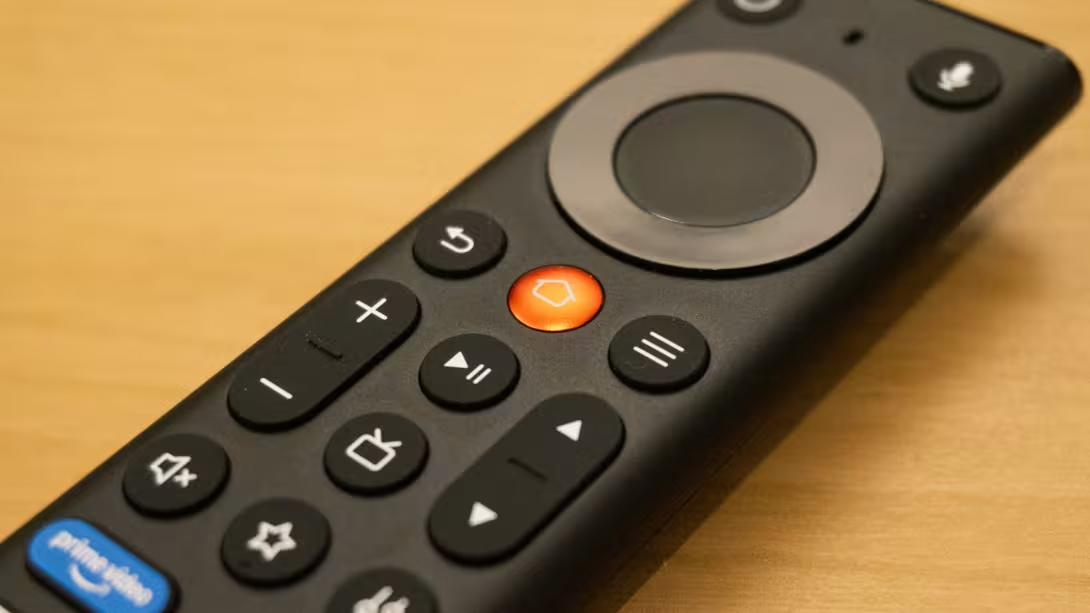
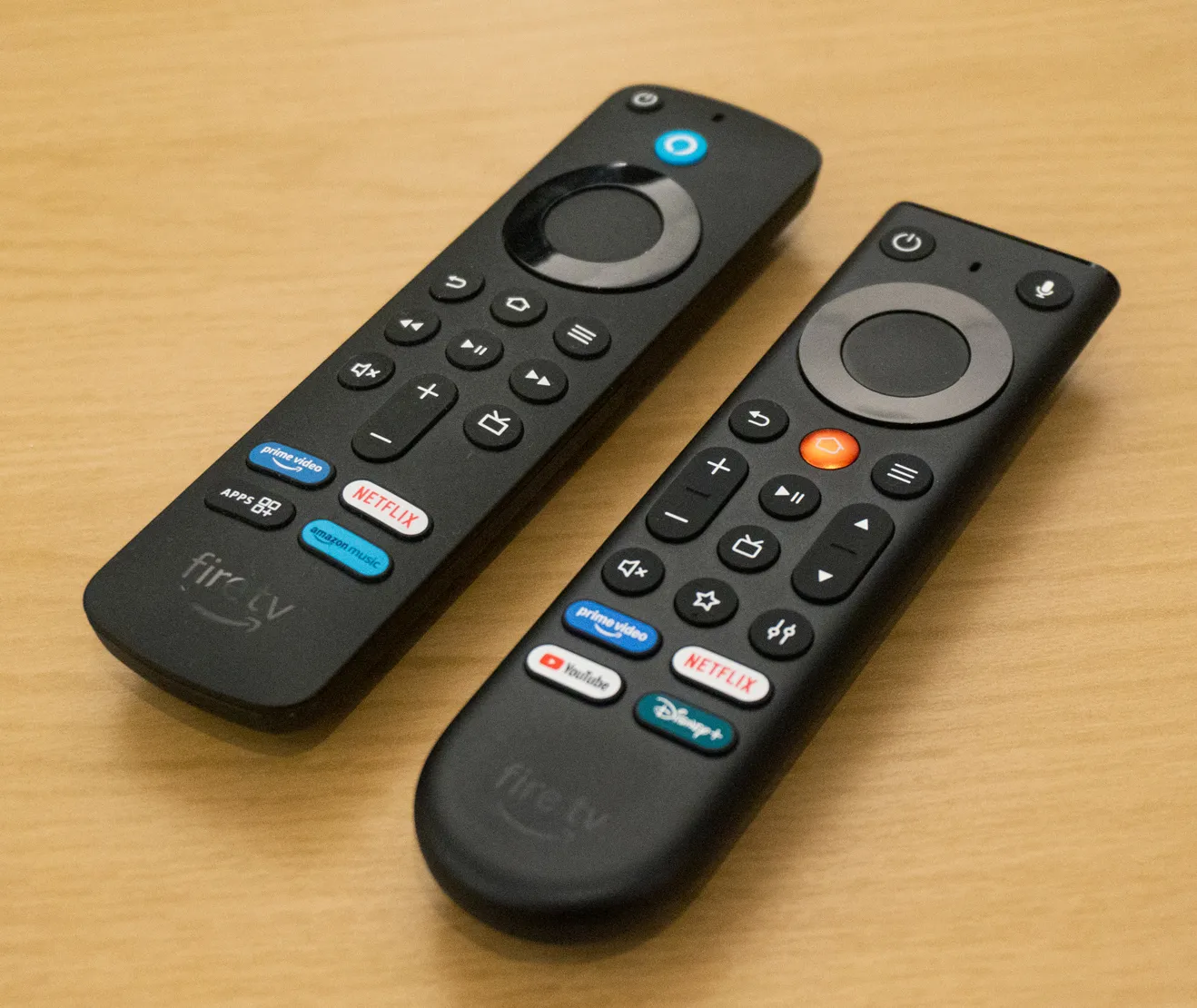
What surprised me, and arguably represents the most interesting change, is the redesigned remote control. With the new stick comes a different shape, a revised button layout and, most intriguingly of all, a bright orange metal Home button.
Working at Everyone TV, I regularly interact with a wide variety of television remote controls, across different manufacturers and models. Yet I can't recall encountering one with a single metal button before.
I've seen remotes made of metal, and I'm sure there are others with individual metal buttons, but none immediately spring to mind.
So you might be thinking, 'So what? It's just a different button.'
But there's something rather clever about this particular design decision.
The first thing you notice when you touch the Home button is that it's cool. Literally. Unlike the surrounding plastic buttons, the metal conducts heat away from your finger more quickly, making it noticeably cooler to the touch.
It's strangely satisfying, but there's also a practical benefit.
Amazon states in its announcement that 'the home button [is] pressed over 100 million times per day on average across Fire TV devices'. The new metal surface, alongside differently shaped and indented buttons, is intended to make the controls easier to identify through touch alone.
I think that's a stroke of genius.
How often do you find yourself watching television in a dark or dimly lit room? Now, through the material and its distinct feel, you have another way to locate the Home button without taking your eyes off the screen.
What's also interesting is which button Amazon chose to make so distinctive.
Voice control remains an important part of Fire TV, but it's the Home button that's been given this treatment. Considering how frequently it's used, there's a clear practical argument for making it particularly easy to find.
Looking at my old and new remotes side by side, there's another small change I appreciate. The previous Alexa logo has been replaced with a more generic microphone symbol on the voice control button.
It's a subtle change, but one that makes the function immediately recognisable without requiring familiarity with Alexa's branding. Another example of how a small design decision can potentially reduce the effort required to understand a product.
I'll save a longer article for another day about the somewhat perplexing lack of standardisation between television remote controls. While smartphones have largely converged on similar designs, remotes remain remarkably varied in their shape, layout and approach to interaction.
For now, though, I think Amazon deserves credit for the attention paid to the physical experience of using its new remote.
I'm sure adding a metal button comes at an additional manufacturing cost, however small, but it's a detail I genuinely appreciate every time I use the remote.